blog

July 14, 2026
Why Am I Gaining Weight Around My Middle During Menopause?
“I haven’t really changed how I eat, but suddenly all my weight seems to be going to my middle.”
If you’ve found yourself thinking this, you’re certainly not alone.
For many women, menopause brings changes in both body weight and shape. Some women notice the biggest change is fat settling around their middle, while others experience both weight gain and a change in where that weight is stored.
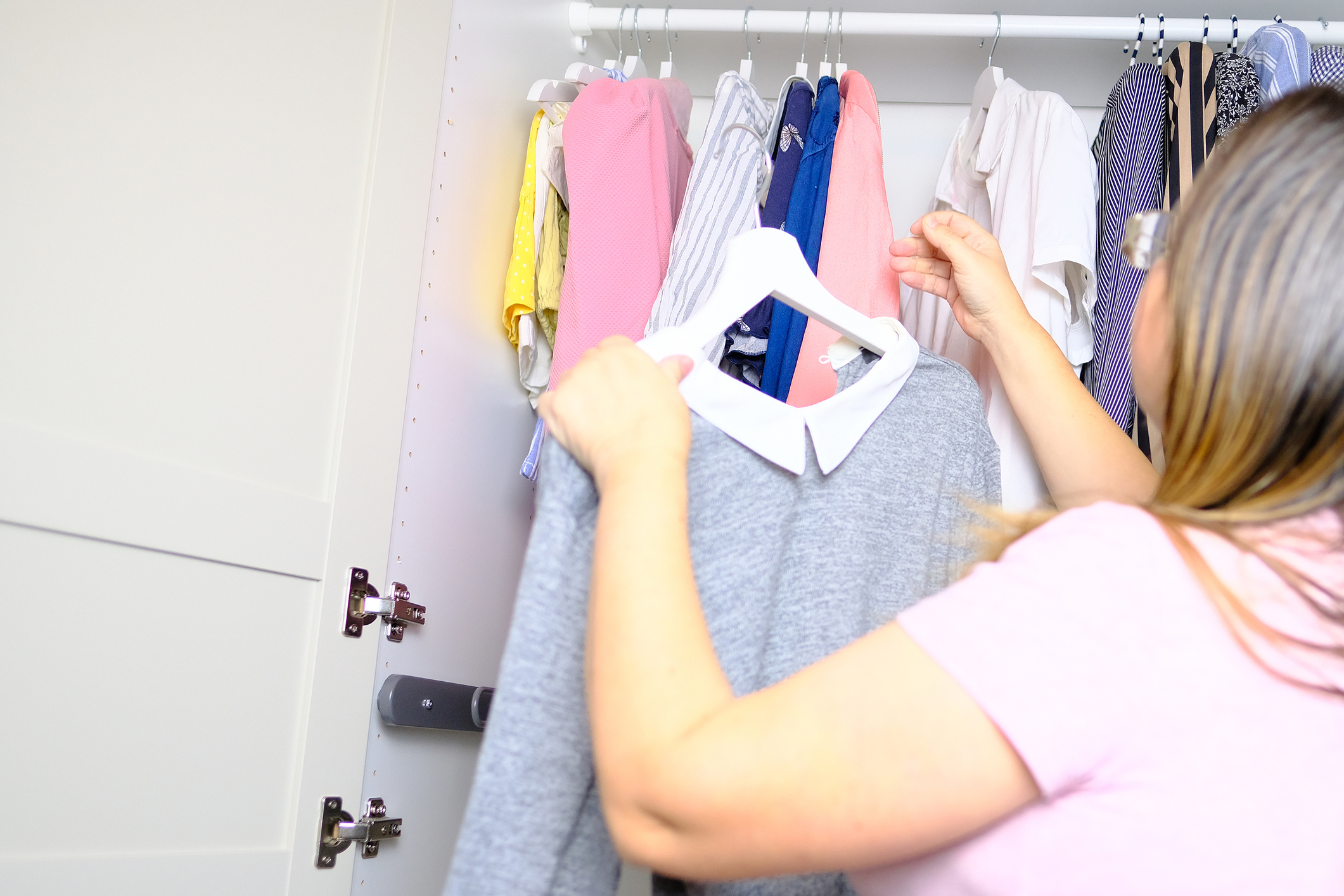
Clothes that once fitted comfortably start to feel tighter and you may feel as though you’ve developed a “menopause belly”, even though your eating habits haven’t changed.
It can feel confusing and frustrating.
You may even wonder whether you’re simply eating too much or not trying hard enough.
Weight gain around the middle during menopause is usually the result of several biological and lifestyle changes happening at the same time.
The Quick Answer
As oestrogen levels decline, your body begins to store fat differently. At the same time, muscle begins to reduce unless we actively work to maintain it, insulin sensitivity often falls, appetite regulation can change, everyday movement may gradually decrease, and sleep and stress can become more challenging.
Together, these changes create the conditions that make fat more likely to accumulate around the middle, particularly the deeper fat stored around the internal organs, known as visceral fat.
The encouraging news is that, although these changes are common, there are things you can do to make a difference. Understanding what’s happening is the first step towards choosing strategies that work with your changing biology, rather than continuing to rely on what may have worked in the past.
Wondering Where to Start?
Although many women experience similar biological changes during menopause, the best place to start isn’t the same for everyone.
For some women, appetite changes are having the biggest influence. For others, it’s understanding how sleep, stress or busy routines may be getting in the way of putting helpful changes into practice.
That’s why I created my free quiz, What’s Driving Your Menopause Weight Gain?
It will help you discover which eating pattern is most likely contributing to weight gain right now—whether that’s constant hunger, busy routines, stress and tiredness, or simply not knowing what to eat—and show you where to focus first.
You’ll see your results immediately, and I’ll also send them to your inbox, along with practical next steps you can come back to whenever you need them.
Why This Change Is So Common During Menopause
If your waistline has changed during menopause, you’re far from alone.
Many women first notice the change because their clothes fit differently or they feel less comfortable in their body. But these changes can also tell us something important about metabolic health, which is why understanding them matters.
One of the biggest misconceptions is that this change is simply the result of eating too much or not trying hard enough.
The reality is that menopause changes the biology that influences where fat is stored. As oestrogen levels decline, the body doesn’t just change how much fat it stores—it also changes where its stored.
At the same time, the gradual loss of muscle, reduced insulin sensitivity, changes in appetite regulation, and the effects of sleep, stress and everyday movement all begin to influence the way your body responds.
Together, these changes help explain why the strategies that used to work often stop working in quite the same way. They don’t mean you’re powerless—they simply mean your strategy needs to evolve alongside your changing body and circumstances.
Why Your Body May Start Responding Differently During Menopause
We’ve already seen that menopause can change where fat is stored
The next question is: why?
The answer isn’t one single hormone or one single process. Several biological changes happen at the same time, and together they change the way your body responds to food, activity, sleep and the habits that used to work for you.
You don’t need to understand every detail of what’s happening inside your body. But understanding the bigger picture helps explain why what used to work may no longer have the same effect—and why a different approach can be more effective during this stage of life.
Oestrogen and Fat Storage
Oestrogen has many important roles in the body, but one of them is helping to influence where your body stores fat.
Before menopause, fat tends to be stored around the hips and thighs. As oestrogen levels fall, more fat is directed towards the abdomen instead. That’s why many women notice their body shape changing during menopause, even if the number on the scales hasn’t changed very much.
This deeper fat, stored around the organs inside the abdomen, is known as visceral fat.
Unlike the fat stored just under the skin, visceral fat behaves differently. It releases substances that can increase low-grade inflammation and make the body less responsive to insulin, which is one of the reasons it’s more strongly linked with conditions such as type 2 diabetes and heart disease.
The important thing to remember is that this shift isn’t happening because you’ve suddenly lost willpower. It’s one of the biological changes that can happen during menopause.
The encouraging news is that, although we can’t stop this biological shift from happening, we can influence the conditions that encourage visceral fat to build up. We’ll explore how later in the article.
At the same time, another important change is happening.
Muscle: Why It Matters More Than Ever
From around our forties onwards, we gradually begin to lose muscle unless we actively work to maintain it.
You can think of muscle as your body’s engine.
A larger engine uses more fuel (calories/energy), even when it’s idling. As that engine gradually becomes smaller, your body naturally uses a little less energy each day.
Muscle also plays an important role in helping our bodies regulate blood sugar. As muscle declines, our bodies often become less responsive to insulin, making it easier to store fat around the middle.
This helps explain why the eating habits that maintained our weight in our twenties and thirties may no longer have quite the same effect.
Again, this isn’t a sign that your body is failing. It’s a reflection of changing biology—and one of the reasons protecting muscle becomes so important during and after menopause.
The encouraging news is that muscle is something we can influence. Protecting it is an important part of reducing visceral fat, supporting long-term health and helping your body respond differently over time.

Insulin Sensitivity and Inflammation
Many women have heard the term insulin resistance, but it isn’t always clear what it actually means.
Insulin is the hormone that helps manage blood sugar by moving sugar from your bloodstream into your cells to be used for energy.
During and after menopause, it’s common for our bodies to become less responsive to insulin. In other words, the body doesn’t listen to insulin quite as well as it used to.
At the same time, visceral fat itself releases substances that contribute to low-grade inflammation. Together, reduced insulin sensitivity and increased inflammation create conditions that make it easier to store fat around the middle and harder to lose it.
The encouraging news is that these changes are not fixed and can be influenced by food and lifestyle factors. We’ll come back to this when we explore the practical strategies shortly.
Why It Feels Different in Everyday Life
The biological changes we’ve explored don’t happen in isolation.
Menopause can also changes how you feel.
Poor sleep, hot flushes, anxiety, low mood, fatigue and simply not feeling like yourself can all influence the decisions you make each day.
Many women also notice changes in their appetite.
You may find yourself feeling hungrier than you used to, less satisfied by the meals that used to keep you going, or more likely to crave quick, comforting foods—particularly when you’re tired or stressed.
These changes aren’t about willpower. They reflect the way hormones, sleep and everyday life interact to influence our appetite during menopause.
When you’re exhausted after another broken night’s sleep, grabbing something quick to eat, skipping exercise or reaching for comfort food aren’t signs of weakness—they’re understandable responses to a difficult stage of life.
These behavioural changes don’t happen separately from the biology we’ve just explored—they interact with it.
That’s why weight gain around the middle during menopause is rarely caused by one single thing. It’s usually the result of several biological and lifestyle changes working together.
The good news is that the opposite is true as well.
Small, consistent changes to the way we eat, move and care for ourselves can also work together to support healthier biology over time.
You don’t need to remember every biological change we’ve explored in this section. But understanding the bigger picture helps explain why the strategies we’re about to explore are designed to work with the changes happening in your body, rather than against them.
Why What Used to Work Doesn’t Work Anymore
By now, it’s probably becoming clear why the strategies that once worked no longer seem to have the same effect.
As we’ve seen, menopause changes the biology that influences appetite, muscle, insulin sensitivity and where fat is stored. At the same time, the symptoms of menopause can affect the choices we make each day.
Together, these changes mean that the habits which worked in the past may no longer be the best fit for your changing body.
The good news is that you don’t simply need to try harder. You need strategies that work with the changes happening in your body rather than against them.
And that’s exactly what we’ll look at next.
What Actually Helps?
If you’ve read this far, you might be wondering what all of this means in practice.
The good news is that you don’t need to overhaul your diet or rely on willpower to start making a difference.
Instead, it means focusing on a handful of habits that work with the changes happening in your body and help create the conditions for lower levels of visceral fat over time.
Where to Start
Rather than trying to change everything at once, choose one area below that feels manageable right now and make it your focus for the next couple of weeks.
If you decide to start with food, choose just one meal to work on first. For many women, breakfast or lunch are the easiest places to begin because you’re usually planning those meals for yourself rather than trying to cater for everyone else’s preferences.
Once that starts to feel like part of your routine, you can build on it by making similar changes elsewhere or by turning your attention to another area.
Small, consistent changes really do add up.
Start with these four areas:
- Build meals that keep you fuller for longer by prioritising foods rich in fibre and protein.
- Protect your muscles with regular resistance training and enough protein to support them.
- Build meals around colourful plant foods and healthy fats to support insulin sensitivity, reduce inflammation and help create the conditions for lower levels of visceral fat over time.
- Remember that food is only one piece of the puzzle. Sleep, stress and everyday movement all influence the same biological systems.
You don’t need to change everything.
Lasting change comes from choosing a few habits that work with the changes happening in your body and fit realistically into your everyday life.
Wondering Where to Start?
Weight gain around your middle during menopause isn’t driven by the same thing for every woman.
For some women, the biggest challenge is constantly feeling hungry. For others, it’s busy routines, stress and tiredness, or simply not knowing what to eat anymore.
That’s why I created my free quiz, What’s Driving Your Menopause Weight Gain?
It will help you discover which eating pattern is most likely contributing to your weight gain right now—and show you where to focus first.
✓ Discover which eating pattern is most likely contributing to your weight gain
✓ Learn which changes are most likely to make the biggest difference first
✓ See your results immediately and receive them by email so you can refer back to them whenever you need them
Build Meals That Keep You Fuller for Longer
Many women notice that during menopause they don’t seem to stay full for as long after eating. Hunger returns sooner, snacking becomes more tempting and cravings later in the day become harder to ignore.
One of the reasons for this is that many meals simply aren’t providing enough fibre.
Most women don’t eat enough fibre, yet it’s one of the nutrients that becomes even more important during and after menopause.
Fibre Helps You Feel Fuller Naturally
Fibre doesn’t just support digestion.
It helps create many of the conditions that support a healthier body composition during menopause. It helps us feel fuller after meals while also supporting healthier blood sugar regulation, improving insulin sensitivity, nourishing our gut microbes and helping to reduce inflammation.
In other words, it helps address several of the changes that encourage fat to be stored around the middle.
High fibre foods also tend to be naturally bulky taking up more space on your plate and in your stomach.
Bigger Meals Don’t Always Mean More Calories
Imagine these two lunches.
The first is grilled chicken, a small salad and a slice of wholegrain bread.
The second is grilled chicken with a large mixed salad, plenty of roasted vegetables, chickpeas and a slice of wholegrain bread.
The second plate looks like a much bigger meal because it contains so much more volume. For some women, that may feel slightly uncomfortable at first because we’ve often been taught that eating more food must mean eating more calories.
But that’s not necessarily the case.
Vegetables, salad, beans and other fibre-rich plant foods naturally provide lots of volume for relatively few calories.
A generous-looking plate filled with fibre-rich foods is often far more satisfying than a smaller meal. It helps you stay comfortably full for longer and makes it easier to avoid constantly thinking about food.
The extra volume also means there’s more texture and more chewing involved, giving your stomach and gut longer to send fullness signals to your brain.
This is exactly what we’re aiming for—not feeling as though you’ve had to stop yourself eating, but feeling comfortably satisfied because your meal has naturally helped your body recognise that you’ve had enough.
Although both meals contain chicken, the second meal is much more likely to keep you feeling comfortably full until your next meal—not because you’ve relied on willpower, but because you’ve built a meal that works with your body’s natural appetite signals.
One simple question I encourage women to ask is:
“Will this meal keep me full for the next few hours?”
If the answer is probably not, think about how you could add a little more fibre.
It doesn’t have to be complicated.
Small additions soon add up.
Protein and Fibre Work Better Together
Fibre has many benefits in its own right. But when it comes to helping you stay full and satisfied after a meal, it works even better alongside protein.
In fact, protein and fibre become teammates, working together to help you feel fuller and more satisfied after meals than either nutrient could achieve on its own.
One of my goals isn’t just for you to feel full after a meal—it’s for you to feel satisfied.
Feeling physically full isn’t always the same as feeling satisfied. Satisfaction comes from building meals that contain the right balance of fibre, lean protein and healthy fats, alongside foods you genuinely enjoy eating.
Protein also has an important role to play in helping you stay satisfied between meals.
For many women, breakfast and lunch are the meals where protein is most easily overlooked. Toast, cereal, pastries or a quick bowl of soup may fill a gap in the moment, but they often don’t provide enough protein to keep you feeling satisfied for long.
By making room for a lean source of protein at both breakfast and lunch, you’re much more likely to stay comfortably full until your next meal. That doesn’t just make the afternoon feel easier—it also means you’re less likely to spend the day battling hunger or relying on willpower to resist reaching for snacks.
Protein becomes even more important because of the changes happening to your muscles during menopause.
Protect Your Muscles
As we’ve already explored, protecting muscle becomes increasingly important during and after menopause.
It’s not just about staying strong and independent as we get older. Muscle also plays an important role in helping our bodies regulate blood sugar and supporting our overall metabolic health.
That’s why making room for a lean source of protein at most meals becomes increasingly important during and after menopause.
Resistance Training Is the Signal
It’s important to remember, though, that simply eating more protein won’t prevent muscle loss on its own.
The strongest stimulus for maintaining and building muscle is resistance training.
Think of resistance training as the signal that tells your muscles to adapt, and protein as the building blocks your body needs to repair and maintain them afterwards. The two work together—neither is as effective without the other.
Resistance training doesn’t have to mean spending hours in the gym. It simply means asking your muscles to work a little harder than they’re used to, whether that’s using your own body weight, resistance bands, free weights or gym equipment. If you’re new to this type of exercise, or have joint pain or other health concerns, a qualified exercise professional or physiotherapist can help you find an approach that’s safe, enjoyable and realistic for you.
Choose Protein That Works Harder for You
When choosing protein, it’s worth thinking about the type of protein you’re choosing, as well as how it fits into the rest of your meal.
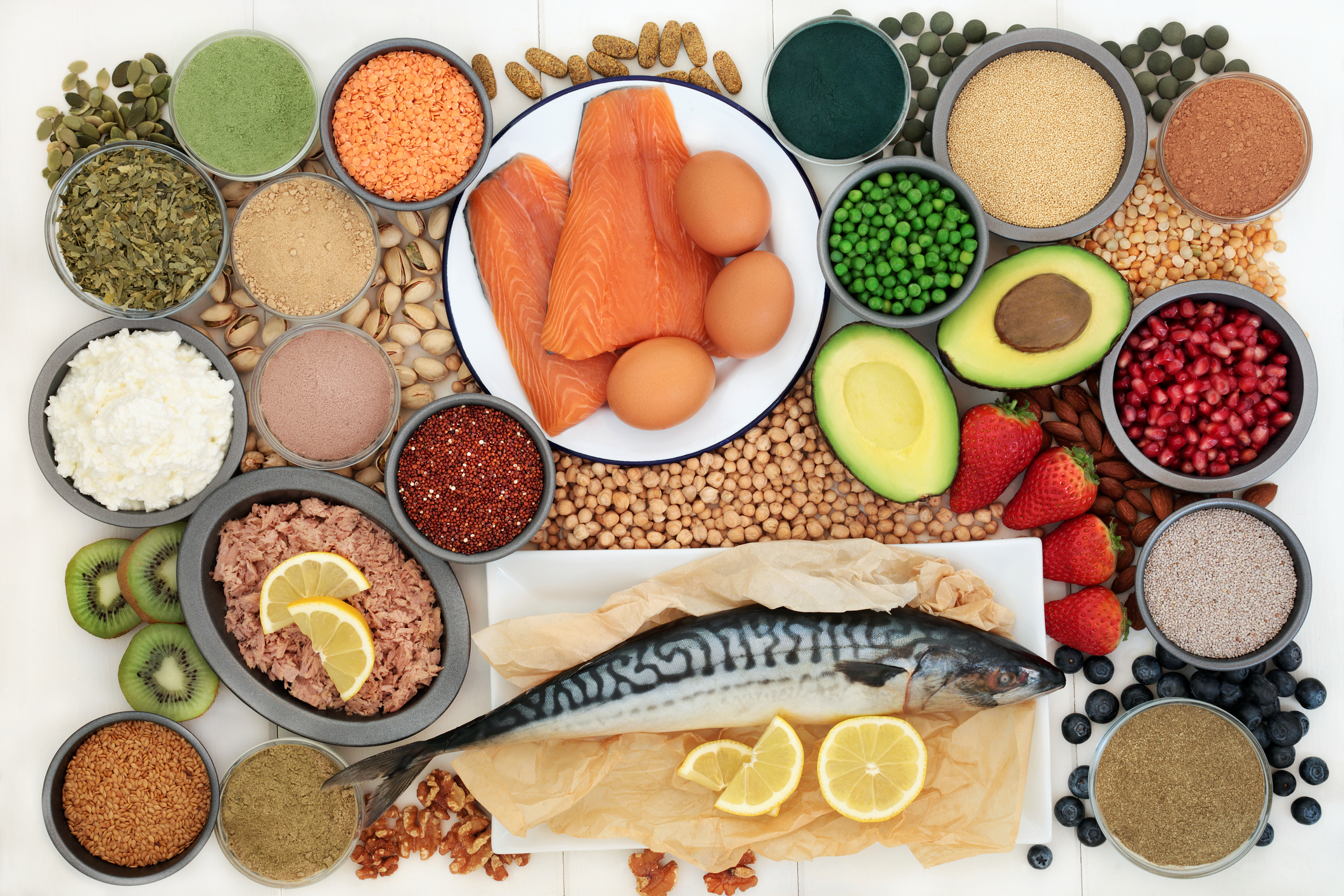
Lean sources such as fish, chicken, turkey, eggs, lower-fat dairy foods and tofu provide plenty of protein without bringing large amounts of saturated fat with them.
Plant proteins, including beans, lentils and chickpeas, are particularly helpful because they do two jobs at once. They provide protein to support your muscles while also contributing fibre to help keep you full, support your gut microbes and improve blood sugar regulation.
Rather than thinking about protein in isolation, think about building meals where lean protein and fibre work alongside each other. Together, they help create satisfying meals that keep you fuller for longer while supporting your muscles and many of the biological changes we’ve explored throughout this article.
Build Meals Around Colourful Plants & Healthy Fats
By now, you may have noticed a pattern.
The foods that support our health during menopause aren’t usually special “superfoods” or expensive supplements.
They’re the foods that naturally come together to create satisfying, balanced meals.
Once you’ve made room for plenty of fibre and a lean source of protein, the next step is to think about colour.
One simple question I encourage women to ask themselves is:
“How much colour is on my plate?”
Colourful vegetables, salad, fruit, herbs and spices provide a huge variety of naturally occurring plant compounds called polyphenols.
These plant compounds help nourish the microbes living in our gut, support a healthy immune system and help reduce the low-grade inflammation associated with visceral fat.
Together with the fibre already in your meals, they also support better blood sugar regulation and help create the conditions that support better insulin sensitivity and a healthier body composition over time.
Rather than aiming for perfection, simply look for opportunities to add more colour to your meals. It might be adding another vegetable to your evening meal, including a side salad at lunch or using fresh herbs and spices to add flavour and colour.
Small changes like these soon add up. You don’t need every meal to be perfect.
Looking for small opportunities to add more colour to your meals is enough to begin making a difference
Healthy Fats: It’s About What They Replace
Healthy fats are another important part of building meals that support your health during and after menopause.
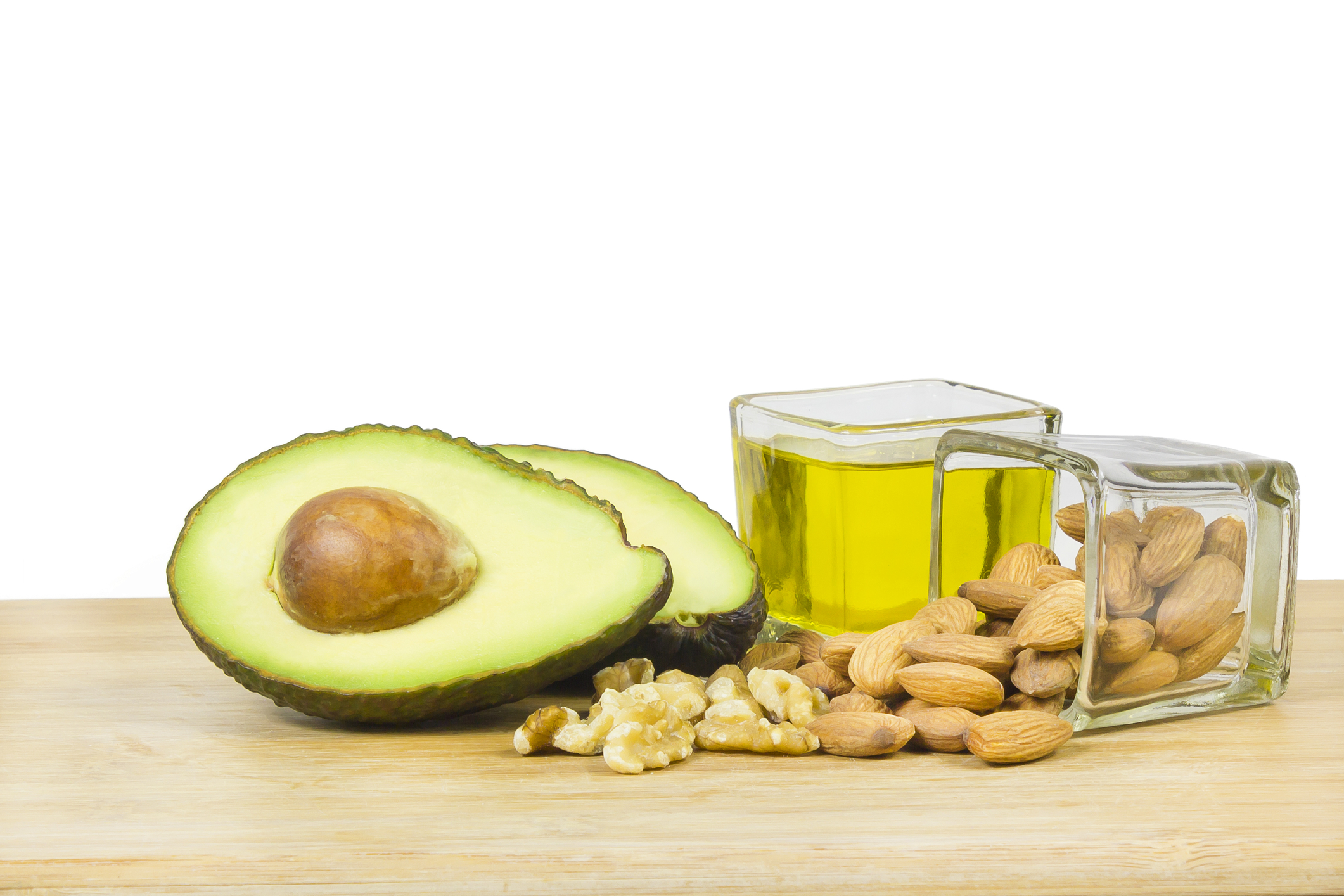
Foods such as extra virgin olive oil, nuts, seeds, avocado and oily fish provide predominantly unsaturated fats, which have been linked with better heart health, improved insulin sensitivity and lower levels of inflammation.
One simple question I often encourage women to ask is:
“Instead of what?”
In nutrition, replacing one food with another is often more important than simply adding something new.
For example, replacing butter with extra virgin olive oil, choosing a handful of nuts instead of crisps, or adding avocado to a salad instead of extra cheese changes the overall balance of fats in your diet without making meals feel restrictive.
That doesn’t mean healthy fats are unlimited. They are still energy-dense foods, so portion size matters. But including moderate amounts as part of balanced meals can help make food more satisfying while supporting your overall health.
Replacing saturated fats with more unsaturated fats is unlikely to have a big effect on reducing visceral fat on its own. But that’s true of every habit we’ve explored. It’s the combination of these small, sustainable changes, repeated consistently over time, that helps create the conditions for lower levels of visceral fat while also supporting your long-term health.
Bringing it All Together
One eating pattern that naturally brings many of these principles together is the traditional way of eating seen in countries around the Mediterranean.
The reason it has been studied so extensively isn’t because it’s a “diet” in the sense that most of us think about diets.
It’s because many traditional Mediterranean meals are naturally built around vegetables, fruit, beans, wholegrains, olive oil, nuts, seeds and fish, with smaller amounts of red meat and highly processed foods.
But there’s another reason this way of eating has attracted so much attention.
It’s not just about what people eat.
It’s also about how they eat.
Meals are often enjoyed more slowly, shared with family and friends where possible, and prepared using simple, minimally processed ingredients.
The point isn’t to recreate a Mediterranean lifestyle if that doesn’t suit you.
It’s to recognise that many of the principles behind this traditional way of eating—building meals around plants, choosing healthy fats, eating more slowly where possible and taking time to enjoy food—can support both your physical health and your relationship with food, wherever you live.
Food Is Only One Piece of the Puzzle
Nutrition is one of the most powerful tools we have for influencing weight gain around the middle during menopause, but it isn’t the whole story.
Sleep, stress and movement all influence the same biological systems we’ve been talking about throughout this article.
Poor sleep doesn’t just leave us feeling tired or hungrier the next day. It can also make it harder for our bodies to regulate blood sugar effectively and contribute to increased insulin resistance over time.
Chronic stress can influence our appetite, affect blood sugar regulation and make it harder to build the consistent habits that support the changes you’re trying to make.
Movement matters too.
As we’ve already discussed, resistance training is one of the strongest tools we have for protecting muscle during and after menopause. Alongside this, simply moving more throughout the day—whether that’s walking, gardening, taking the stairs or spending less time sitting—supports our overall health and wellbeing.
You don’t need to change everything at once.
The biggest difference comes from choosing a few habits that work with your body and fit realistically into your everyday life.
Those are the habits that are most likely to last.
The Bottom Line
If you’ve found yourself gaining weight around your middle during menopause despite eating well and doing many of the things that used to work, you’re certainly not alone.
More importantly, it doesn’t mean you’ve failed.
Menopause changes the biology that influences where fat is stored, how hungry we feel, how our muscles change and how our bodies respond to food.
Understanding those changes doesn’t solve the problem on its own.
But it does change the question.
Instead of asking:
“Why isn’t this working anymore?”
you can begin asking:
“What does my changing body need now?”
That’s a far more helpful place to start.
You don’t need a perfect diet.
You don’t need to overhaul your life overnight.
And you certainly don’t need to rely on willpower alone.
Your body has changed, so your strategy needs to change too.
The encouraging news is that small, consistent habits really can influence many of the changes we’ve explored throughout this article.
By building meals and habits that work with the changes happening in your body and fit realistically into your everyday life, you can create the conditions for lower levels of visceral fat. Over time, these small changes can help protect your long-term health and help you feel more like yourself again.
Wondering Where to Start?
That’s exactly why I created my free quiz, What’s Driving Your Menopause Weight Gain?
In just a few minutes, you’ll discover which eating pattern is most likely contributing to your weight gain right now—whether that’s constant hunger, busy routines, stress and tiredness, or simply not knowing what to eat—and where to focus first.
You’ll see your results immediately, and I’ll also send them to your inbox, along with practical next steps you can come back to whenever you need them.
Because the best place to start isn’t by changing everything.
It’s by understanding where to focus first.