

blog

June 17, 2026
Menopause Joint Pain: Why It Happens and What Actually Helps
Waking up with stiff fingers, aching knees or a body that suddenly feels older than it used to? Menopause joint pain is a common but often overlooked experience during perimenopause and menopause.
Changes in oestrogen may contribute to aches and stiffness, although other causes of joint pain in midlife are worth considering too.
What may help menopause joint pain?
- Regular movement: Gentle activity can ease stiffness and help maintain mobility.
- Strength training: Building muscle strength helps support and stabilise your joints.
- Better sleep: Improving sleep may help reduce pain sensitivity and make symptoms easier to manage.
- Balanced nutrition: A varied, plant-rich eating pattern with adequate fibre and protein can support muscle health and overall wellbeing.
- Knowing when to speak to your GP: Persistent or worsening pain, particularly with joint swelling, deserves further assessment.
Is Joint Pain Normal During Menopause?
Yes. Joint aches, stiffness and muscle discomfort are recognised symptoms of perimenopause and menopause.
Some women notice new aches and pains despite never having experienced joint problems before. For others, existing discomfort becomes more noticeable.
Symptoms can range from occasional stiffness to pain that affects everyday activities, sleep and confidence in movement.
Although joint pain is common during menopause, it shouldn’t automatically be dismissed as simply hormonal or an inevitable part of ageing.
What Does Menopause Joint Pain Feel Like?
Women describe menopause-related joint symptoms in different ways.
Some experience discomfort in particular joints, such as their hands, knees, hips or shoulders. Others describe a more general feeling of aching and stiffness throughout their body, rather than pain in one specific joint.
Other common experiences include:
- Stiffness on waking or after sitting still for a while.
- A feeling of being less mobile or flexible than usual.
- Discomfort that makes walking, exercising or everyday activities more difficult.
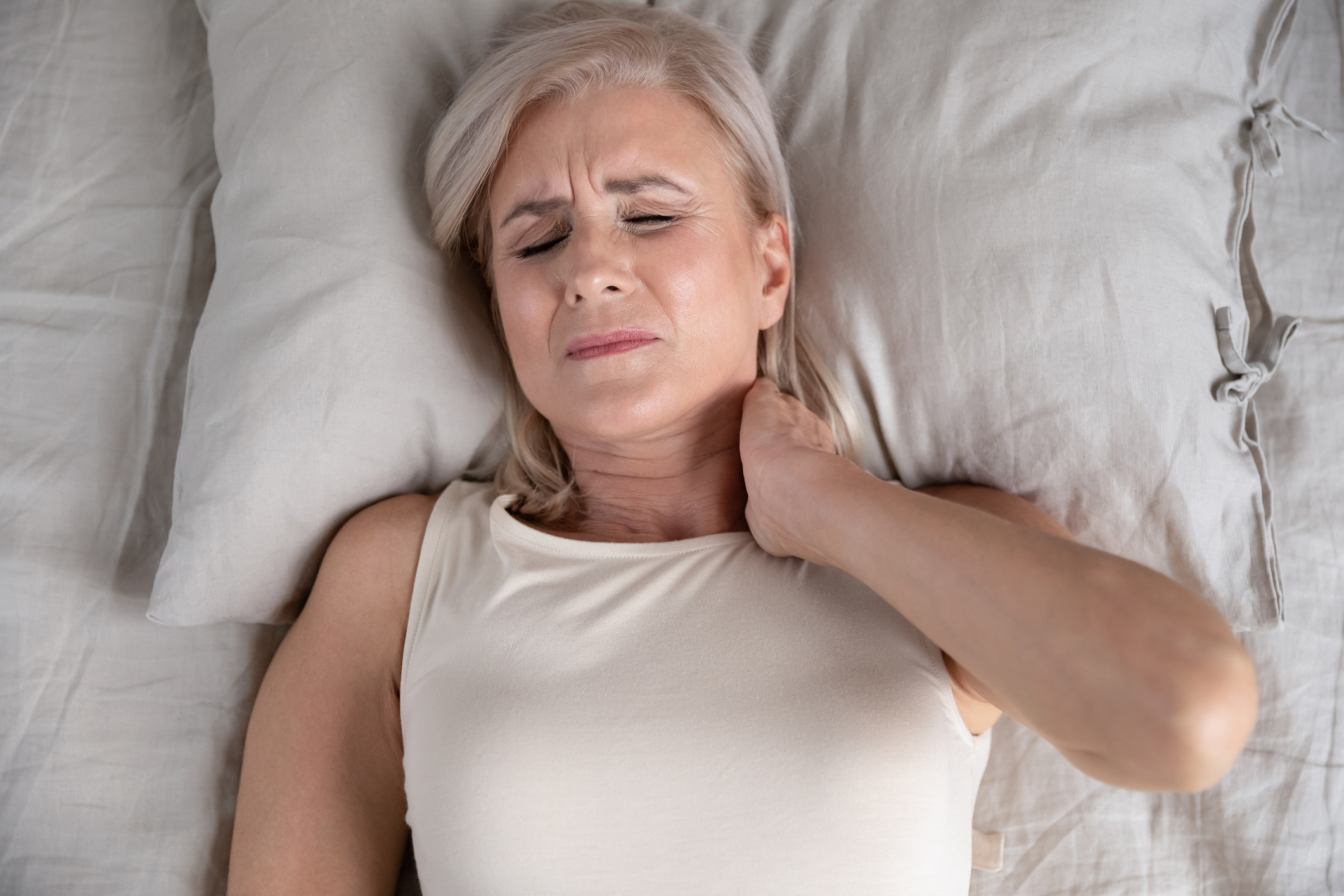
Why Can Joint Stiffness Feel Worse in the Morning?
Some women find their joints feel particularly stiff when they first get out of bed, with symptoms easing once they start moving.
Staying in one position overnight can contribute to stiffness, while gentle movement may help joints feel more comfortable.
However, morning stiffness isn’t specific to menopause, and other possible causes are worth understanding.
How Long Does Menopause Joint Pain Last?
There’s no set timeframe. Some women find their symptoms improve as they move through menopause, while others experience ongoing discomfort. How long symptoms last will depend partly on what’s contributing to the pain, which is why persistent or worsening symptoms shouldn’t automatically be attributed to menopause.
Menopause Joint Pain, Osteoarthritis or Something Else?
Joint pain during midlife can have several possible causes, and symptoms often overlap.
Hormonal changes during perimenopause and menopause may contribute to aches and stiffness, but conditions such as osteoarthritis and inflammatory arthritis can also cause joint pain.
The patterns below may offer some clues, but they aren’t a way to diagnose the cause yourself.
Menopause-related joint pain
- May involve several joints or feel like more generalised aching and stiffness.
- Can feel worse on waking or after sitting still, sometimes easing with gentle movement.
- May occur alongside other menopause symptoms, such as hot flushes, disrupted sleep or changes in mood.
Osteoarthritis
- Commonly affects joints such as the knees, hips and hands.
- Pain may become more noticeable during or after activity.
- Stiffness after resting is common and often eases once you start moving.
Inflammatory arthritis, including rheumatoid arthritis
- May cause persistent swelling, warmth and tenderness around affected joints.
- Morning stiffness can last considerably longer than with osteoarthritis.
- Symptoms may affect several joints, including the small joints of the hands and feet.
Morning stiffness lasting longer than around 30 minutes is worth mentioning to your GP, particularly if you also have joint swelling. However, the duration of stiffness alone doesn’t establish the cause.
When Should You Speak to Your GP?
Arrange a GP appointment if:
- Joint pain or stiffness is persistent, worsening or keeps returning.
- Symptoms are affecting your sleep, mobility or everyday activities.
- You notice joint swelling, warmth or prolonged morning stiffness.
- You’re unsure what’s causing your symptoms.
Your GP can help identify what might be causing your symptoms, arrange further investigations if needed and discuss appropriate treatment options. If your joint pain appears to be associated with other menopause symptoms, this may include a discussion about whether HRT may be helpful.
Seek urgent medical advice if a joint suddenly becomes very painful and swollen, particularly if you also feel feverish or unwell.
How Can Menopause Affect Your Joints?
Once other possible causes have been considered, it can help to understand how the hormonal changes of menopause may influence your joints.
Oestrogen doesn’t just influence reproductive health. It also plays a role in maintaining healthy muscles, bones, joints and connective tissues.
As oestrogen levels fluctuate and decline during perimenopause and menopause, changes in these tissues may contribute to joint aches and stiffness.
The relationship isn’t straightforward, however, and several factors may be involved.

Hormonal Changes and Inflammation
Oestrogen helps regulate inflammation throughout the body and influences connective tissues, including cartilage, tendons and ligaments.
As oestrogen levels decline, changes in the body’s inflammatory response and the way these tissues function may contribute to joint discomfort.
However, this doesn’t mean that all menopause-related joint pain is caused by inflammation, and researchers are still working to understand these relationships.
Changes in Muscle Strength and Joint Support
Muscles play an important role in supporting and stabilising joints. They help absorb forces during movement and make everyday activities such as walking, climbing stairs and getting up from a chair easier.
Muscle mass and strength tend to decline with age, particularly when we’re less physically active. Changes during menopause may also contribute to this process.
As muscles become weaker, everyday movements can feel more demanding, potentially contributing to discomfort and reduced physical function.
This is one reason why maintaining muscle strength becomes increasingly important during midlife.
Changes in Body Composition and Joint Load
Many women notice changes in body composition during menopause, particularly an increase in fat stored around the abdomen.
Additional body weight can increase the load on weight-bearing joints, particularly the knees and hips.
But the relationship between body composition and joint health isn’t purely mechanical.
Fat tissue is metabolically active and can contribute to low-grade inflammation, which may also play a role in joint symptoms and conditions such as osteoarthritis.
This helps explain why researchers are increasingly interested in the connections between joint health, body composition and metabolic health.
These factors don’t explain every woman’s joint symptoms, however, and changes in body composition aren’t inevitable during menopause.
Understanding why joint pain may become more noticeable during menopause is useful, but the next question is what you can actually do to help.
What Actually Helps Menopause Joint Pain?
There are several practical approaches that may help ease joint stiffness, maintain mobility and support long-term joint health during menopause.
The aim isn’t to push through pain or overhaul your routine overnight, but to find manageable changes that help you stay active and comfortable.
Keep Moving — Even When You Feel Stiff
When your joints ache, it’s understandable to feel like resting them. But too much inactivity can make stiffness worse.
You may have heard the phrase “motion is lotion” when it comes to joint health. There’s some science behind it.
Your joint cartilage is a bit like a sponge. It doesn’t have its own direct blood supply, so it relies on fluid within the joint for nutrients.
As you move, cartilage is gently compressed and released, helping fluid move in and out, rather like squeezing and releasing a sponge. This helps nourish the cartilage and explains one reason why regular movement is important for joint health.
You don’t need high-intensity exercise to benefit. Walking, swimming, cycling, yoga and other forms of gentle movement can all be helpful, depending on your symptoms and preferences.
A few ways to build more movement into your day:
- Take short walks, particularly if you spend long periods sitting.
- Try gentle stretches or mobility exercises when you first get up.
- Break up long periods of sitting with a few minutes of movement.
The goal isn’t to push through pain. It’s to keep joints moving and maintain confidence in your body’s ability to move.

Build Strength to Support Your Joints
Think of your muscles as your body’s natural shock absorbers. Strong muscles help manage the forces placed on joints during everyday activities.
For example, strong thigh muscles help support your knees, while muscles around your trunk help support your spine.
Strength training is particularly valuable during midlife because it helps preserve muscle, maintain physical function and make everyday movement feel easier.
Some practical starting points:
- Include muscle-strengthening activities at least twice a week, building up gradually.
- Start with manageable exercises such as sit-to-stands, wall press-ups or resistance-band movements.
- Consider guidance from a physiotherapist or qualified exercise professional if you’re unsure how to exercise comfortably with joint pain.
You don’t need heavy weights or complicated exercises. The important thing is to challenge your muscles progressively, at a level that’s appropriate for you.
Prioritise Sleep and Recovery
Sleep and pain have a close relationship.
Poor sleep can increase pain sensitivity, while pain itself can make it harder to sleep well. This can create a frustrating cycle where pain disrupts sleep and poor sleep makes pain feel worse.
It may also help explain why some women find their aches and stiffness particularly difficult to manage after a poor night’s sleep.
Regular physical activity can support better sleep quality, while better sleep may help improve energy levels, recovery and the ability to cope with pain.
A few things that may help:
- Keep a reasonably consistent sleep and waking routine.
- Make your bedroom cool, dark and comfortable.
- Build in some time to wind down before bed.
- Speak to your GP if menopause symptoms or persistent pain are regularly affecting your sleep.
Supporting sleep quality won’t necessarily eliminate joint pain, but it can make symptoms easier to manage.
Manage Load Rather Than Pushing Through
Many women fall into one of two camps: doing too little because they’re worried about pain, or pushing through symptoms and paying for it afterwards.
For many people, the most sustainable approach sits somewhere in the middle.
Learning how to adjust activity levels, gradually build strength and allow time for recovery can help you stay active without repeatedly aggravating symptoms.
For example:
- Build up walking distances gradually rather than suddenly increasing your daily steps.
- Alternate more demanding activities with gentler movement.
- Adjust the intensity or duration of exercise if symptoms are noticeably worse afterwards.
The aim isn’t to avoid movement. It’s to find ways of moving that support your joints rather than constantly challenging them.
If joint pain is making it difficult to stay active, a physiotherapist can help you find suitable exercises and build confidence in movement.
Can Nutrition Help Menopause Joint Pain?
Nutrition can play an important role in supporting muscle strength, joint health and overall wellbeing during menopause. However, there is limited research examining whether specific dietary changes directly improve menopause-related joint pain.
Much of the evidence comes from studies involving osteoarthritis and rheumatoid arthritis, alongside broader research into nutrition, inflammation and metabolic health.
Rather than searching for individual foods that promise to reduce inflammation, a more useful approach is to focus on your overall eating pattern.
Three Nutrition Priorities for Joint and Metabolic Health in Midlife
- Build more fibre-rich plant foods into your meals
Fibre-rich foods can support appetite regulation, body composition and metabolic health — factors that may indirectly influence joint health, particularly where excess body weight or metabolic conditions contribute to symptoms.
This is particularly relevant during menopause, when many women notice changes around their waistline. Excess body fat can influence joint health through both increased mechanical loading and metabolic processes associated with low-grade inflammation.
Vegetables, fruit, beans, lentils and wholegrains provide fibre, vitamins and a wide range of beneficial plant compounds.
Higher-fibre dietary patterns are associated with better cardiovascular and metabolic health, including healthier blood glucose and cholesterol levels.
A few ways to start:
- Choose higher-fibre carbohydrates such as oats, wholegrain bread, brown rice or wholewheat pasta.
- Add beans or lentils to soups, salads, curries or pasta sauces.
- Include a generous portion of vegetables at lunch and dinner.
Lunch is often a useful opportunity to increase fibre, particularly when busy days mean relying on quick sandwiches, snacks or convenience foods.
- Include enough protein throughout the day
Preserving muscle becomes increasingly important during midlife, particularly if joint discomfort is making it harder to stay physically active.
Protein helps maintain muscle mass, especially when combined with strength training. This supports physical function and healthier body composition as we age.
Protein also contributes to meal satisfaction, which can be particularly helpful if you’re experiencing stronger hunger or cravings during menopause.
A few ways to start:
- Include a protein-rich food at breakfast, such as Greek yoghurt, eggs or a soya-based alternative.
- Build lunch around a meaningful protein source, such as chicken, fish, cottage cheese, tofu or beans.
- Spread your protein intake across breakfast, lunch and dinner rather than relying on one protein-heavy evening meal.
Breakfast and lunch are often the meals where protein intake is lowest, so these can be useful places to start.
- Focus on the overall quality of your diet
When the approaches you previously relied on no longer seem to work, it’s tempting to respond by eating less or following a stricter diet.
But creating a consistent, satisfying meal structure and improving dietary quality can be more sustainable than relying on willpower or adding another set of food rules.
A Mediterranean-style eating pattern provides a useful foundation. It emphasises vegetables, fruit, wholegrains, beans, lentils, nuts, seeds and olive oil, alongside fish and other protein-rich foods.
This combination provides fibre, unsaturated fats and a variety of nutrients that support cardiovascular and metabolic health. By helping to support a healthier body composition and metabolic profile, this type of eating pattern may also benefit joint health, particularly where excess body weight or metabolic factors contribute to symptoms.
Some research also suggests Mediterranean-style eating patterns may help reduce markers of low-grade inflammation, although this doesn’t establish that they directly relieve menopause-related joint pain.
A few ways to start:
- Use olive oil in place of butter or other fats high in saturated fat.
- Include nuts, seeds or oily fish regularly.
- Build meals around a combination of protein, fibre-rich carbohydrates and colourful vegetables.
You don’t need to follow a perfect Mediterranean diet or change everything you eat. The aim is to build a flexible, nutritious eating pattern that works with your appetite, preferences and everyday routine.

What Does the Plants for Joints Research Tell Us?
The Plants for Joints programme investigated a lifestyle approach in people with osteoarthritis and rheumatoid arthritis.
It combined a whole-food, plant-based diet with physical activity and support for other lifestyle behaviours, including stress management.
Studies reported improvements in pain and physical function in people with osteoarthritis, and improvements in disease activity in people with rheumatoid arthritis. Participants also experienced reductions in body weight and waist circumference.
These findings are encouraging, particularly because they suggest potential benefits for both joint symptoms and body composition.
However, the studies weren’t specifically investigating menopause-related joint pain. And because several lifestyle changes were introduced together, we can’t attribute the improvements to diet or weight loss alone.
What About Omega-3 Fats and Polyphenols?
Other research has examined whether particular dietary components might influence joint symptoms.
Omega-3 fats are involved in regulating inflammation. Some studies suggest omega-3 supplementation may help reduce symptoms in people with rheumatoid arthritis, although there is much less evidence for a direct benefit in menopause-related joint pain.
Oily fish such as salmon, sardines, trout and mackerel provide EPA and DHA, two long-chain omega-3 fats. Walnuts, chia seeds and ground flaxseed provide a different omega-3 fat called ALA, while algae-derived supplements can provide EPA and DHA.
Polyphenols are naturally occurring plant compounds found in foods such as berries, vegetables, olive oil, herbs, spices, tea and coffee. They are being studied for their potential effects on inflammation and metabolic health, but we don’t yet have convincing evidence that particular polyphenol-rich foods relieve menopause-related joint pain.
Rather than relying on individual foods or supplements, the most useful approach is to include a variety of these foods within an overall nutritious eating pattern.
When Joint Pain Is Part of a Bigger Picture
For many women, joint pain doesn’t occur in isolation.
You might also be noticing changes in your weight or waistline, disrupted sleep, lower energy levels or finding it more difficult to stay active.
Although these changes don’t necessarily have the same cause, they can influence one another.
Weight, Joint Pain and Body Composition
We’ve already discussed how body composition can influence joint health through both the physical load placed on joints and wider metabolic processes.
But if you’re carrying additional weight, can losing some of it actually help your joints?
Research and clinical guidance involving people with overweight or obesity and knee osteoarthritis suggest that even relatively modest weight loss can improve pain and physical function.
Improvements may begin with weight loss of around 5%, while reductions of 5–10% or more are generally associated with greater benefits.
However, this evidence relates mainly to osteoarthritis, particularly of the knee. It doesn’t mean that weight loss will necessarily improve every type of joint pain experienced during menopause.
And it certainly doesn’t mean that everyone with joint pain needs to lose weight.
For women navigating menopause, the goal is often about more than simply reducing the number on the scales.
Preserving muscle while reducing excess body fat, where appropriate, can help support strength, mobility and metabolic health.
This matters because losing weight without maintaining muscle can make it harder to preserve the strength and physical function that help support your joints.
A combination of adequate protein, regular strength training and sustainable changes to eating habits can help support improvements in body composition.
When Nothing Seems to Work Anymore
One of the things I hear most often from women during menopause is:
“I feel like nothing works anymore.”
For many women, this frustration comes from finding that the approaches they previously relied on to manage their weight no longer seem to have the same effect.
Changes in sleep, appetite regulation, muscle mass and body composition can make weight management more challenging. Joint discomfort may add another difficulty by making movement and exercise less comfortable.
When several of these challenges happen together, trying to tackle each one separately can feel overwhelming.
Rather than responding with more restriction or trying harder, it can be more helpful to look at how your eating patterns, appetite, activity, sleep and body composition interact.
A personalised approach can help identify which changes are likely to make the greatest difference, while keeping the focus on realistic, sustainable improvements to your health.
Could Personalised Nutrition Support Help?
If joint discomfort is making it harder to stay active while you’re also navigating changes in your weight, appetite or energy levels, it can be difficult to know where to start.
I help women make sense of the changes they experience during menopause and develop a practical, personalised approach to improving appetite regulation, body composition and metabolic health.
Book Your Free Discovery Call to discuss your main concerns, understand how I work and explore whether personalised nutrition support might be the right next step for you.
Supplements for Joint Pain in Menopause: What Does the Evidence Say?
If you’ve started experiencing aching or stiff joints during menopause, you may have wondered whether a supplement could help.
The evidence for most joint-health supplements is mixed, and there’s little research specifically examining menopause-related joint pain. Some supplements may have a role in particular circumstances, but they’re unlikely to replace the benefits of appropriate movement, strength training, good sleep and a nutritious diet.
Glucosamine and Chondroitin
Glucosamine and chondroitin are naturally occurring substances found in cartilage and are commonly marketed for joint health.
They’ve been studied extensively, particularly in people with knee osteoarthritis.
Some studies have reported modest improvements in pain, but overall the findings are inconsistent. NICE guidelines advise against using glucosamine for osteoarthritis.
There’s also little evidence that they improve menopause-related joint pain.
Collagen Supplements
Collagen is a structural protein found in cartilage, tendons, ligaments and other connective tissues.
Some small studies suggest collagen supplements may improve joint discomfort, particularly in people with osteoarthritis or exercise-related joint pain.
However, the research varies considerably in supplement type, dose and study quality, making it difficult to draw firm conclusions.
There’s currently insufficient evidence to recommend collagen supplements specifically for menopause-related joint pain.
What About Omega-3 Supplements?
As discussed in the nutrition section, omega-3 fats have been studied for their effects on inflammatory joint conditions.
Some research suggests omega-3 supplementation may provide modest benefits for people with rheumatoid arthritis, but there’s little direct evidence that taking supplements improves menopause-related joint pain.
Including oily fish as part of a balanced diet has established cardiovascular benefits. Taking an additional omega-3 supplement specifically for joint pain isn’t routinely supported by the evidence.
Turmeric, Curcumin and MSM
You may also come across supplements containing turmeric or its active compounds, known as curcuminoids, as well as MSM (methylsulfonylmethane).
Some small studies have reported improvements in osteoarthritis symptoms, but findings are mixed, and differences in formulations, doses and study quality make the results difficult to interpret.
There’s insufficient evidence to recommend these supplements specifically for menopause-related joint pain.
It’s also worth remembering that natural doesn’t necessarily mean risk-free. Some supplements, particularly concentrated turmeric or curcumin products, can interact with medicines and may not be suitable for everyone.
Vitamin D: An Important Distinction
Vitamin D deserves particular attention because deficiency can contribute to muscle weakness, bone pain and other musculoskeletal symptoms.
However, correcting a deficiency is different from taking extra vitamin D to treat joint pain when your levels are already adequate.
Research hasn’t consistently shown that vitamin D supplementation improves joint pain in people who aren’t deficient.
In the UK, the NHS advises adults to consider taking 10 micrograms (400 IU) of vitamin D daily during autumn and winter. Some people may need supplementation throughout the year.
If you’re experiencing persistent muscle or bone pain, your GP can assess whether vitamin D deficiency or another condition needs investigating.
Before Taking a Joint Supplement
Supplements aren’t always harmless, particularly if you’re taking prescribed medication or have an existing medical condition.
If you take blood-thinning medicines, have surgery planned or have a complex medical history, speak to your pharmacist or GP before starting a new supplement.
And if joint pain is persistent, worsening or affecting everyday activities, it’s important to have the cause assessed rather than relying on supplements to manage the symptoms.
Menopause Joint Pain: The Takeaway
Joint aches and stiffness are common during perimenopause and menopause, but that doesn’t mean they’re something you simply have to put up with.
Hormonal changes may contribute to joint discomfort, although joint pain is rarely explained by one factor alone. Muscle strength, sleep, physical activity, body composition and underlying health conditions can all influence how your joints feel and function.
Importantly, joint pain isn’t simply an inevitable part of getting older.
Understanding what’s contributing to your symptoms is a useful first step. Regular movement, strength training, good sleep and a nutritious eating pattern can all help support joint health, mobility and long-term wellbeing.
You don’t need to change everything at once. Small, consistent changes that work for your body and everyday life can help you maintain strength, confidence in movement and quality of life over time.
And if joint pain is persistent, worsening or affecting your daily activities, speak to your GP to understand what might be causing it and what treatment or support could help.