blog

June 17, 2026
Menopause Joint Pain: Why It Happens and What Actually Helps
If you wake up feeling stiff and sore, your knees ache when you stand up, or your body suddenly feels years older, you’re not imagining it. Menopause joint pain is one of the most common symptoms women experience during midlife, yet it receives far less attention than hot flushes, sleep problems or weight gain.
For some women, it develops gradually. For others, it seems to arrive out of nowhere, leaving them wondering whether this is simply part of getting older or whether something else is going on.
You may have even found yourself scrolling late at night asking questions like:
Why do my joints and muscles suddenly hurt so much?
Can menopause really cause joint pain?
Is this normal or should I be worried?
The reassuring part is that joint pain is a recognised symptom of the menopausal transition.
But while it’s common, it’s also important not to assume that every ache, pain or stiff joint is automatically caused by menopause.
Understanding what’s driving your symptoms matters because different causes often require different approaches.
In this article, we’ll look at why joint pain becomes more common during menopause, the patterns many women notice, the different factors that can contribute, and where nutrition and lifestyle fit into the bigger picture.
Is Joint Pain Normal During Menopause?
Yes. Joint pain is one of the most common, and often overlooked, symptoms of the menopausal transition.
Many women notice new aches and pains appearing during perimenopause or menopause, even if they’ve never previously experienced problems with their joints. They often talk about general aches and pains rather than a specific problem with one joint.
Some describe waking up feeling stiff and uncomfortable. Others notice aching hands, sore knees or a general feeling that their body has become less mobile and less resilient than it once was.
For some women, these symptoms are mild. For others, they can have a significant impact on day-to-day life, making movement feel harder and reducing confidence in exercise and physical activity.
One reason joint pain can feel so frustrating is that it often appears at the same time as other menopause symptoms such as poor sleep, fatigue, weight changes and low mood. When several of these factors are happening at once, it’s not always obvious what’s driving what.
Importantly, while joint pain is common during menopause, it shouldn’t automatically be dismissed as “just hormones” or “just ageing.”
Menopause can certainly contribute to joint symptoms, but there are also other common causes of joint pain during midlife. Understanding what’s driving your symptoms is important because different causes may respond to different approaches.
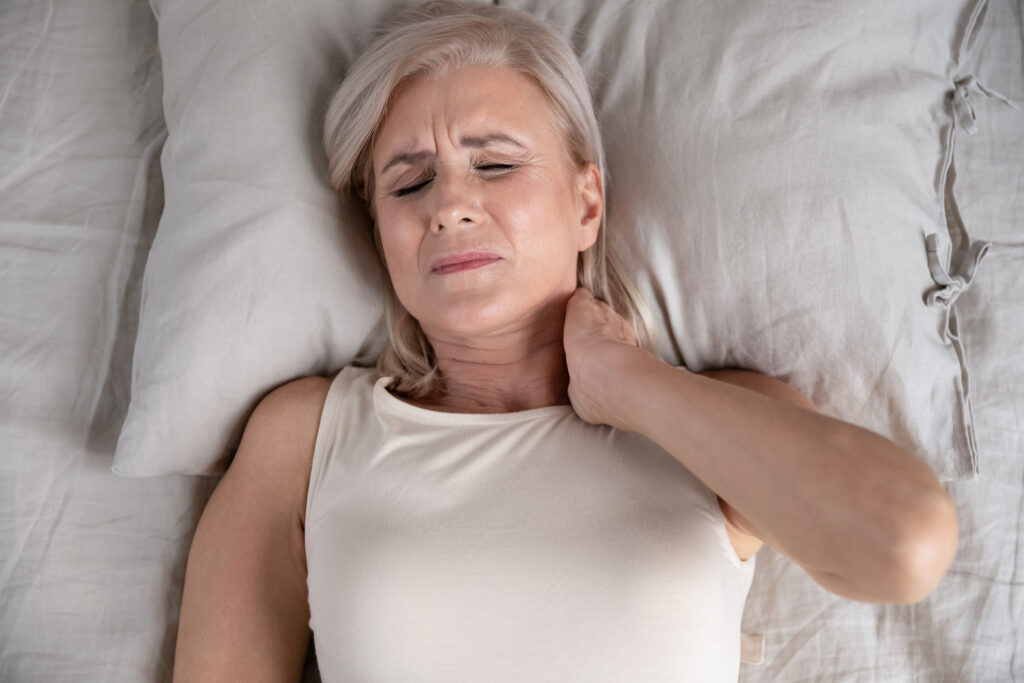
The Knock-On Effects of Joint Pain
Pain and stiffness can have a ripple effect on everyday life.
When movement becomes uncomfortable, it’s natural to start doing less of it. You might stop walking as far, avoid certain types of exercise, or become more cautious about activities you previously enjoyed.
Over time, this can start to affect confidence in your body. Many women find themselves thinking more carefully about what they can do, how far they can walk or whether their joints will cope with certain activities.
Joint pain can also affect sleep, particularly if discomfort makes it difficult to get comfortable at night. Poor sleep can then contribute to fatigue, lower energy levels and reduced motivation to stay active the next day.
This matters because regular movement helps support muscle strength, mobility, metabolic health and long-term independence as we age. When pain leads to less movement, it can become harder to maintain the very things that help keep joints supported and functioning well.
Joint pain doesn’t just affect how your joints feel. It can affect how you move, how you sleep, how much confidence you have in your body and, ultimately, your quality of life.
Menopause Joint Pain, Osteoarthritis or Something Else?
One of the challenges with joint pain in midlife is that several different conditions can look quite similar.
While menopause can contribute to aching, stiffness and joint discomfort, it isn’t the only possible explanation. Osteoarthritis becomes more common with age, and a few women may also develop inflammatory conditions such as rheumatoid arthritis, or other issues such as vitamin D deficiency.
This is why it’s important not to assume that every new ache or pain is automatically caused by menopause.
Menopause-related joint pain is often considered a diagnosis of exclusion. In other words, other potential causes should be considered before symptoms are attributed to hormonal changes alone.
If joint pain, stiffness or fatigue are affecting your daily activities or sleep, if your joints are swollen, or if symptoms are worsening, it’s worth speaking to your doctor. They can review your symptoms and medical history and arrange further investigations if needed to help determine the cause.
Understanding the cause matters because different conditions often require different approaches. While menopause may be part of the picture, it’s important not to overlook other potential explanations.
How Menopause Can Affect Your Joints
While joint pain during midlife isn’t always caused by menopause, there are several ways in which the hormonal changes that occur during the menopausal transition can affect joints and the tissues that support them.

Oestrogen doesn’t just influence reproductive health. It also affects muscles, bones, tendons, ligaments and joints.
As oestrogen levels fluctuate and decline, changes can occur throughout the musculoskeletal system that may contribute to stiffness, aching and reduced joint comfort.
Several factors are thought to be involved.
Hormonal Changes and Inflammation
Oestrogen has anti-inflammatory effects throughout the body.
As oestrogen levels decline during menopause, inflammatory signalling can increase, which may contribute to the aches, stiffness and discomfort many women experience.
Oestrogen also helps support connective tissues, including cartilage, tendons and ligaments. As levels fall, these tissues may become more vulnerable to strain, potentially affecting how joints feel and function.
Importantly, menopause-related joint pain is generally not associated with joint damage or destruction.
Instead, it is thought to reflect the wider effects of hormonal changes on the musculoskeletal system, including joints, bone, muscles and connective tissues.
Changes in Muscle Mass and Joint Support
As we get older, we naturally begin to lose muscle mass and strength unless we take steps to maintain them.
Muscles play an important role in supporting and stabilising joints. They help absorb force, support movement and reduce the load placed on joints during everyday activities.
As muscle strength declines, joints may have less support, which can contribute to discomfort and reduced physical function over time.
Menopause is also associated with a more rapid decline in bone density due to falling oestrogen levels. Bone health is just one part of the wider musculoskeletal changes that occur during midlife. This is why maintaining strength, mobility and overall musculoskeletal health becomes increasingly important during and after menopause.
Changes in Body Composition and Joint Load
Many women notice changes in weight and body composition during menopause, particularly an increase in abdominal or visceral fat.
Joint pain isn’t always just a wear-and-tear problem.
Additional weight can increase the load placed on weight-bearing joints such as the knees, hips and lower back, which may contribute to pain and stiffness.
However, the relationship between weight and joint pain appears to be both mechanical and metabolic.
Fat tissue is metabolically active and can contribute to low-grade inflammation throughout the body. Researchers increasingly recognise that this inflammatory component may also play a role in joint symptoms and conditions such as osteoarthritis.
This is one reason why joint health and metabolic health are often more closely connected than they first appear.
When Joint Pain Is Part of a Bigger Picture
For many women, joint pain doesn’t occur in isolation.
It often appears alongside weight gain around the middle, lower energy levels, increased cravings and a growing sense that their body is no longer responding in the way it once did.
While these symptoms can feel separate, they are often connected through changes in body composition, muscle mass, inflammation and metabolic health.
If you’re experiencing joint pain alongside weight gain, low energy or cravings, it may be worth looking at the bigger picture rather than searching for a solution to each symptom individually.
In my 1:1 nutrition programmes, I help women improve body composition, support metabolic health and build sustainable habits that fit real life.
If you’d like support, you can book a discovery call where we’ll explore what’s driving your symptoms and whether my programme is the right fit for you.
While joint pain is common during midlife, it shouldn’t automatically be put down to menopause. Consider speaking to your GP if symptoms are affecting your daily activities or sleep, the pain is getting worse or keeps returning, symptoms haven’t improved despite treating them at home for two weeks, or morning stiffness lasts longer than 30 minutes.
What Actually Helps Menopause Joint Pain?
There is no single treatment that works for everyone because joint pain during midlife can have a number of different causes.
However, several approaches consistently appear to help many women manage symptoms and maintain quality of life.
Regular Movement
When joints are painful or stiff, the instinct is often to move less.
While this is understandable, gentle and regular movement can actually help reduce stiffness, maintain mobility and support joint function.
You may have heard the phrase “motion is lotion” when it comes to joint health. While it sounds simplistic, there is science behind it.
Your joint cartilage is a bit like a sponge. Unlike most tissues in the body, it doesn’t have its own direct blood supply. Instead, it receives nutrients from the synovial fluid that surrounds and lubricates the joint.
Every time you move, it’s a little like gently squeezing and releasing a sponge. Old fluid and waste products are pushed out, while fresh, nutrient-rich fluid is drawn back in.
When joints stay still for long periods, that pumping action slows down, which can contribute to stiffness and discomfort. Movement helps the joint refresh, nourish and lubricate itself.
This doesn’t necessarily mean high-intensity exercise. Walking, swimming, cycling, yoga and other forms of regular movement may all be beneficial, depending on your symptoms and preferences.
The goal isn’t to push through pain. It’s to keep joints moving and maintain confidence in your body’s ability to move.

Strength Training
Strength training is one of the most effective ways to support long-term joint health.
As we’ve already discussed, muscles play an important role in supporting and stabilising joints. You can think of them as the body’s natural shock absorbers.
Strong muscles help absorb force and reduce the load placed on joints during everyday activities. For example, strong thigh muscles can help support the knees, while a strong core can help support the spine.
Maintaining muscle strength can improve physical function, support balance and mobility, and help joints feel more supported over time.
Strength training may also support bone health and overall resilience as we age.
Importantly, strength training doesn’t need to mean lifting heavy weights in a gym. What matters is finding an approach that is appropriate for your current ability and any underlying joint conditions.
Sleep and Recovery
Sleep and pain have a close relationship.
Poor sleep can increase pain sensitivity, while pain itself can make it harder to sleep well. This can create a frustrating cycle where pain disrupts sleep and poor sleep makes pain feel worse.
Supporting sleep quality may not eliminate joint pain, but it can influence how symptoms are experienced and managed.
Regular movement can help here too. Research consistently shows that physical activity supports better sleep quality, while better sleep may help improve recovery, energy levels and resilience to pain.
This is one reason why movement, strength and recovery are often most effective when considered together rather than in isolation.
Managing Load Rather Than Pushing Through
Many women fall into one of two camps: doing too little because they’re worried about pain, or pushing through symptoms and paying for it afterwards.
For many people, the most sustainable approach sits somewhere in the middle.
Learning how to adjust activity levels, gradually build strength and manage recovery can help maintain progress without creating unnecessary flare-ups.
The aim isn’t to avoid movement. It’s to find ways of moving that support your joints rather than constantly challenging them.
Where Nutrition Fits In
When it comes to joint pain, nutrition isn’t a magic fix.
There isn’t a specific “menopause joint pain diet”, and no single food is going to eliminate symptoms overnight.
That doesn’t mean nutrition isn’t important. Far from it.
While food isn’t a cure for joint pain, it can influence many of the factors that affect how our joints feel and function, including inflammation, muscle health, recovery and body composition.
Nutrition is a key piece of the broader puzzle.
Rather than focusing on individual foods or supplements, it’s often more helpful to think about overall dietary patterns.
An Anti-Inflammatory Dietary Pattern
One of the ways nutrition may influence joint health is through its effect on inflammation.
As we’ve discussed, joint pain isn’t always simply a wear-and-tear problem. Low-grade inflammation can also play a role, particularly when excess visceral fat is present.
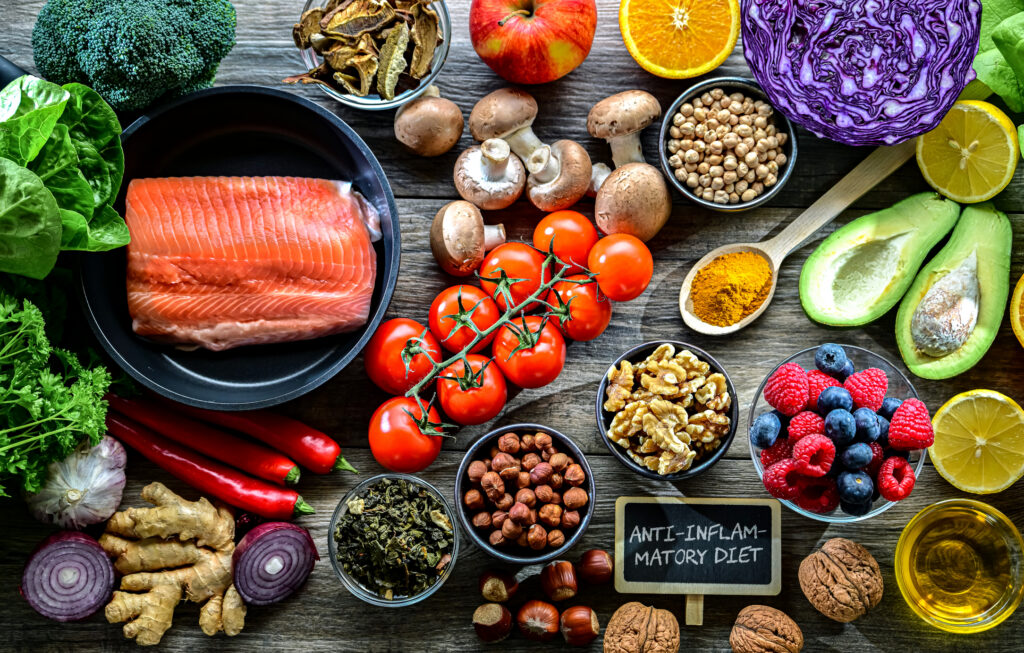
Research consistently shows that dietary patterns rich in vegetables, fruit, wholegrains, beans, lentils, nuts, seeds and healthy fats are associated with better long-term health outcomes and lower levels of inflammation.
The Mediterranean diet is often used as an example of this type of eating pattern. Rather than focusing on restriction, it emphasises whole foods, plant foods, healthy fats and minimally processed ingredients.
While no dietary pattern can guarantee relief from joint pain, this style of eating appears to support both healthy ageing and overall metabolic health.
What Can We Learn from the Plants for Joints Studies?
More recently, studies such as the Plants for Joints programme have explored whether lifestyle changes can improve symptoms in people living with osteoarthritis and rheumatoid arthritis.
Importantly, this wasn’t simply a diet study. The programme combined a whole-food plant-based dietary pattern with physical activity, sleep support, stress management and behaviour change coaching.
Participants experienced improvements in pain, stiffness and physical function, with many reducing their use of pain medication. They also lost an average of 3.9 kg and reduced their waist circumference by around 3 cm over the 16-week programme.
The nutrition approach centred around vegetables, fruit, beans, lentils, wholegrains, nuts and seeds while reducing highly processed foods and foods high in saturated fat.
What’s particularly interesting is that researchers increasingly point to fibre as one of the key features of the programme, rather than veganism itself.
Fibre acts as food for the trillions of bacteria that live in our gut. As these bacteria break down fibre, they produce compounds that help support immune function, regulate inflammation and maintain the gut barrier.
The programme also reduced abdominal body fat, which may be important given the links between visceral fat, inflammation and joint symptoms.
The key takeaway isn’t that everyone with joint pain needs to become vegan. Rather, it adds to growing evidence that dietary patterns rich in fibre-containing plant foods may help support both metabolic and musculoskeletal health.
For many women, the practical question is simply: how much space do fibre-rich plant foods currently occupy on my plate?
Protein and Muscle Health
Protein often comes up in conversations about menopause, and for good reason.
As we’ve already discussed, muscles act as the body’s natural shock absorbers. Supporting and maintaining muscle strength is one of the most important ways to protect mobility, physical function and joint health as we age.
Protein provides the building blocks needed to maintain and repair muscle tissue, particularly when combined with resistance training and regular movement.
However, it’s important not to oversimplify this into a message that all women simply need to eat more protein. Many women may already be consuming enough overall, and factors such as protein distribution across the day, regular movement and strength training are often just as important.
There is also increasing interest in where protein comes from. Dietary patterns containing more plant protein sources, such as beans, lentils, soy foods, nuts and seeds, are associated with better long-term cardiovascular and metabolic health.
Rather than focusing on protein in isolation, it’s often more helpful to think about overall dietary patterns that support muscle health, healthy ageing and long-term health.
Omega-3 Fats
Omega-3 fats have been widely studied for their role in inflammation and cardiovascular health.
They are incorporated into cell membranes throughout the body and help produce compounds that are generally less inflammatory than those derived from some other dietary fats. This is one reason researchers have been interested in their potential role in inflammatory conditions.
Some studies suggest omega-3 fats may help support joint health, particularly in inflammatory conditions such as rheumatoid arthritis, although the evidence is less clear for hormone-related joint symptoms specifically.
Good food sources include oily fish such as salmon, sardines, mackerel and herring, as well as plant sources such as walnuts, chia seeds and flaxseeds.
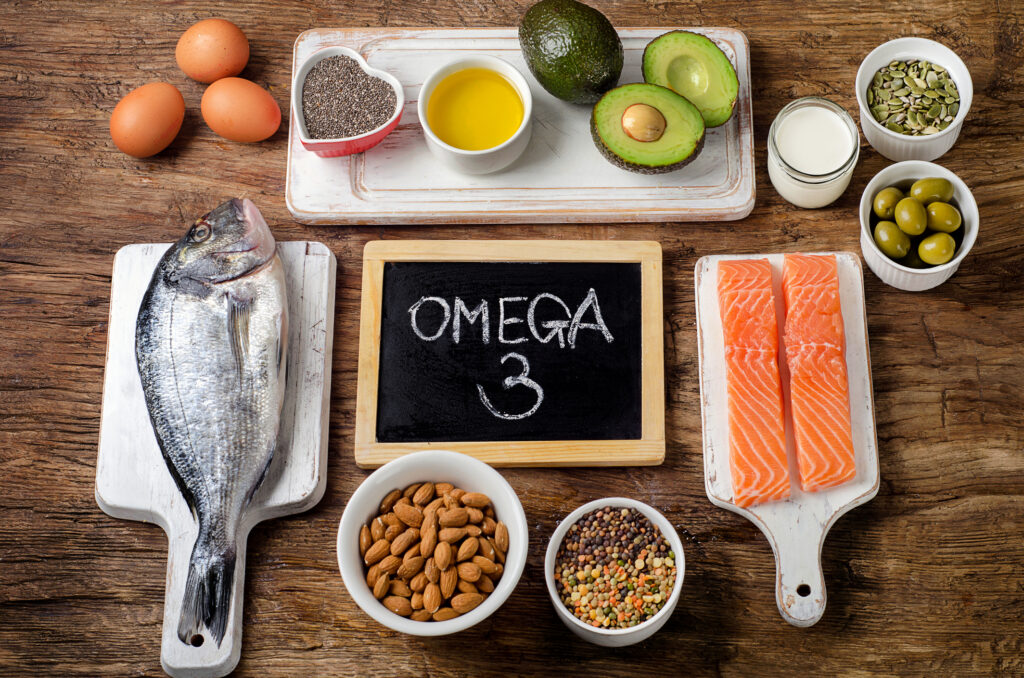
While omega-3s are unlikely to be a magic solution, they form part of an overall dietary pattern that supports both metabolic and musculoskeletal health.
This is particularly relevant during and after menopause, when cardiovascular health becomes increasingly important. Even if the impact on joint symptoms is modest, omega-3-rich foods may offer wider benefits for long-term health.
Plants, Polyphenols and Variety
One of the most interesting developments in nutrition research over the last decade has been the growing recognition that many of the benefits of plant-rich diets may be linked to the wide range of plant compounds they contain.
Many plant foods contain naturally occurring compounds called polyphenols. These compounds are found in foods such as berries, herbs, spices, olive oil, tea, coffee and cocoa.
One way to think about this is that our joints are constantly undergoing processes of repair and renewal. Throughout life, wear and tear naturally occurs, but the body is also continually working to maintain and repair tissues.
Researchers believe that polyphenols and other plant compounds may help support these repair processes by helping to protect cells from oxidative stress and influencing inflammatory pathways.
While we can’t stop the effects of ageing or completely prevent wear and tear, dietary patterns rich in plant foods may help support the body’s ability to maintain healthy tissues over time.
Rather than focusing on a single “superfood”, the evidence points towards the value of variety. Different plant foods provide different fibres, nutrients and polyphenols, which is one reason diversity appears to matter.
A dietary pattern that includes a wide range of vegetables, fruit, beans, lentils, wholegrains, nuts, seeds, herbs and spices may offer benefits that go beyond any single food or nutrient.
As is often the case in nutrition, the overall pattern appears to matter more than any one ingredient.
Weight, Joint Pain, Menopause and Metabolic Health
We’ve already discussed that the relationship between weight and joint pain appears to be both mechanical and metabolic.
The question many women ask is: how much weight loss is actually needed to make a difference?
Research in osteoarthritis suggests that even relatively modest weight loss can improve joint symptoms. A reduction of around 5% of body weight is often the point at which improvements in physical functioning may start to become noticeable.
Larger weight losses, around 5-10% or more, show greater improvements in pain and physical functioning. However, this doesn’t mean everyone needs to lose large amounts of weight before they can experience benefits.
This is an important distinction because it shifts the focus away from chasing a particular number on the scales.
For many women, the goal is not simply weight loss, but improving body composition, maintaining muscle strength and supporting metabolic health.
In practical terms, where weight is lost may matter as much as how much is lost. Reductions in abdominal fat, improvements in fitness and preservation of muscle mass may all contribute to feeling and functioning better, even when overall weight loss is relatively modest.
The message isn’t that weight loss is irrelevant, nor that it is the answer to every joint problem. Rather, it is one of several factors that can influence how joints feel and function during midlife and beyond.
“Nothing Works Anymore”
One of the most common things I hear from women in midlife is:
“I feel like nothing works anymore.”
For many women, this frustration comes from finding that the approaches they previously relied on no longer seem to have the same effect. This is something I explore in more detail in my article on why trying harder often backfires during menopause.
During menopause, changes in hormones, sleep, muscle mass, appetite regulation and body composition can make those approaches increasingly difficult to sustain. The result is often more cravings, lower energy and a growing sense that your body is working against you.
In my experience, the answer is rarely more restriction. A more effective approach is usually a personalised plan that supports appetite, energy, muscle and metabolic health while creating sustainable changes in body composition over time.
That might mean adjusting meal structure to improve cravings and energy, improving protein and fibre intake, supporting sustainable fat loss, or finding ways to build strength and movement that feel realistic for your body and your joints.
If you’d like help understanding what’s driving your symptoms and building a plan that works with your body rather than against it, you can book a discovery call to explore whether my programme is the right fit for you.
Supplements for Joint Pain in Menopause
Supplements are often one of the first things women look for when joint pain develops.
Unfortunately, the evidence for many joint health supplements is less convincing than marketing claims might suggest.
A small number of supplements, including glucosamine, chondroitin, collagen and omega-3 fatty acids, have shown potential benefits in some studies. However, the effects tend to be modest, the evidence is often mixed, and not everyone responds in the same way.
Vitamin D deserves special mention because deficiency is relatively common in the UK and can contribute to musculoskeletal symptoms and poor bone health.
The most important thing to remember is that supplements work best as an addition to the foundations we’ve already discussed, not a replacement for them.
Regular movement, strength training, good sleep, a nutritious dietary pattern and supporting metabolic health are likely to have a far greater impact on long-term joint health than any single supplement.
FAQ
Is joint pain normal during menopause?
Yes. Joint pain and stiffness are common during perimenopause and menopause. However, it’s important not to assume menopause is the only cause, as other conditions can also contribute.
What does menopause joint pain feel like?
Many women experience aching, stiffness or reduced mobility, particularly in the hands, knees, hips and feet. Symptoms are often worse in the morning or after sitting still.
Why do I feel stiff in the morning during menopause?
Hormonal changes and inactivity overnight can both contribute to stiffness. Gentle movement often helps joints feel looser and more comfortable.
How long does menopause joint pain last?
It varies. Some women notice improvement over time, while others continue to experience symptoms, particularly if factors such as osteoarthritis, poor sleep or excess weight are involved.
What helps menopause joint pain?
Regular movement, strength training, good sleep and a nutritious diet can all help. Most women benefit from a combination of approaches rather than a single solution.
Can nutrition help with joint pain?
Yes. While diet won’t cure joint pain, eating plenty of vegetables, fruit, beans, lentils, wholegrains, nuts, seeds and healthy fats may help support joint health and reduce inflammation.
Do supplements help menopause joint pain?
Some women find supplements such as omega-3s, glucosamine, chondroitin or collagen helpful, but the evidence is mixed. They work best alongside healthy lifestyle habits.
Can losing weight help joint pain?
For some women, yes. Even modest weight loss can improve symptoms, especially when combined with increased activity and improved muscle strength.
Conclusion
Joint pain is one of the most common, and often overlooked, symptoms experienced during the menopausal transition.
While hormonal changes can certainly play a role, joint pain is rarely explained by a single factor alone. Changes in inflammation, muscle strength, body composition, sleep, physical activity and underlying health conditions may all contribute to how joints feel and function during midlife.
The good news is that joint pain isn’t something you simply have to accept as an inevitable part of ageing.
Understanding what’s driving your symptoms is an important first step. From there, factors such as regular movement, maintaining muscle strength, supporting metabolic health and following a nutritious dietary pattern may all help support long-term joint health and quality of life.
Perhaps most importantly, joint pain isn’t always just a wear-and-tear problem. The growing understanding of the links between inflammation, metabolic health, the gut microbiome and musculoskeletal health offers a broader and more hopeful perspective on why symptoms occur and what may help.
For many women, joint pain doesn’t occur on its own. It often sits alongside weight gain around the middle, increased cravings, lower energy levels and concerns about long-term metabolic health.
Understanding these connections can help shift the focus from simply managing symptoms to supporting long-term health, mobility, body composition and quality of life.